




Inflator: Drug spending is growing with a wave of new therapeutics hitting the market
Drug spending in the US grew by $50 billion (11.4%) from $437 billion to $487 billion in 2024 at net manufacturer prices, up from $20 billion of growth (4.9%) in 2023. The trend is expected to extend into the coming years, driven by growth in oncology, immunology, cardiovascular, obesity and diabetes drugs.
Among the many innovative treatments being developed and launched by pharmaceutical companies, GLP-1 drugs continue to be regarded by health plans as a top cost inflator. They’re projected to account for between 0.5% and 1.0% of the estimated medical cost trend for 2026. To manage costs and achieve better treatment outcomes, many health plans are tightening restrictions on clinical criteria and step therapies for GLP-1 weight management use. While these weight loss drugs have the potential to prevent expensive health issues down the road, adherence and sustained benefits through true behavioral modification is proving to be a challenge, as many consumers abandon the drugs within a year of initiating treatment.
Many health plans we interviewed also expressed concerns over the financial risk posed by coverage of cellular and gene therapies (CGTs.) Reinsurance carriers often exclude payment for conditions eligible for CGTs, such as sickle cell anemia disease or hemophilia.
Act now: Overall, health plans and employers should continue to evaluate strategies and partners to improve their pharmacy benefits, with innovative and transparent models available both from PBMs and the growing Pharmacy Benefit Administrator (PBA) segment. A wide range of technologies and AI-enabled solutions are emerging to improve efficiency, reduce waste and optimize costs. Across classes and within GLP1s, specifically, plans should continue to explore strategies like value-based contracting and enhanced prior authorization criteria. To sustain the health benefits of weight loss drugs, health plans should also consider tighter integration of GLP-1 coverage with wraparound services like nutritional counseling, behavioral coaching and digital weight management tools for patients. Agility is the watch word for health plans, with pipeline monitoring, scenario modeling and policy adaptability to anticipate utilization increases and budget impact.
To manage the financial risk of CGTs, health plans should explore innovative reimbursement models like outcomes-based rebates, milestone-based payments and carve-out partnerships.
link
More Stories
WHO EMRO – Noncommunicable diseases
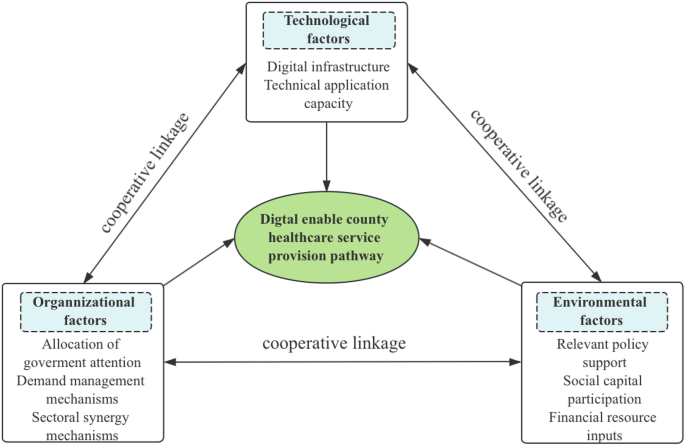
Exploring the pathways of digital technology driven healthcare service delivery in county-level regions
Telehealth Interventions to Improve Chronic Disease | Cardiovascular Disease Data, Tools, and Evaluation Resources