






Insurance companies scaling back Medicare Advantage
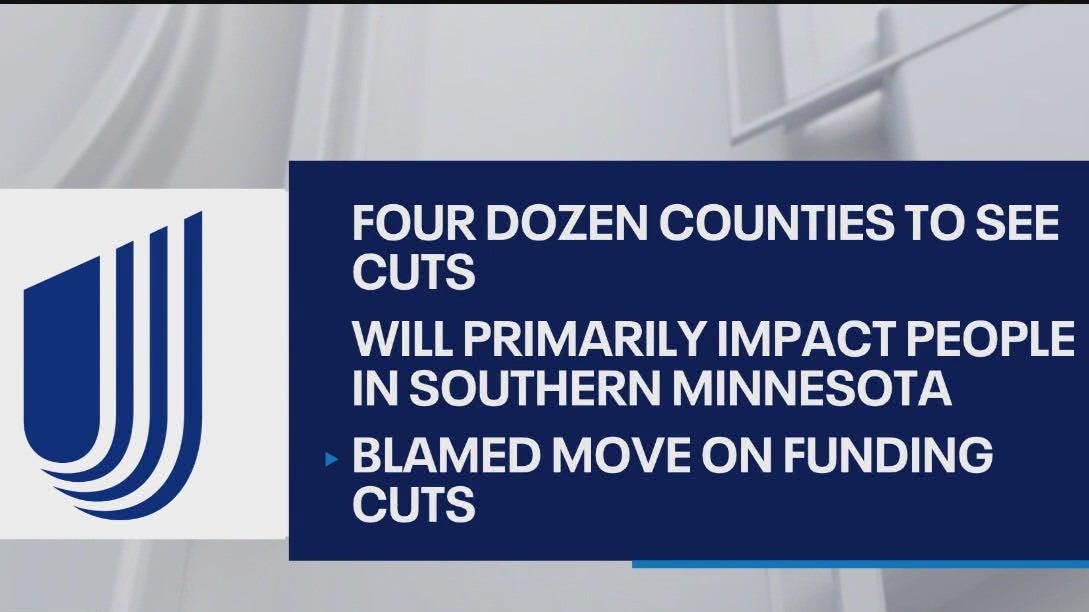
Funding cuts to Medicare will have an impact on residents in Minnesota, with UnitedHealth primarily pulling back in the southern part of the state. FOX 9’s Mike Manzoni has the latest details.
Fox – Fox 9
Seniors may face either cuts to their Medicare Advantage benefits or higher costs next year if the Trump administration’s proposal for a miniscule payment increase for 2027 kicks in, some industry experts warned.
The Centers for Medicare and Medicaid Services or CMS updates each year its Medicare Advantage or MA payment rates. At the end of January, it proposed for 2027 a mere 0.09% average increase, far below analysts’ expectations for a roughly 4% to 6% hike and below this year’s 5.06% increase. CMS is accepting public comments on its latest proposal through March 1, with the final rate to be announced by April 6, CMS said.
With such a small increase, insurers immediately warned that seniors with MA plans would see benefit cuts and higher costs in 2027.
“Flat program funding at a time of sharply rising medical costs and high utilization of care will impact seniors’ coverage,” said Chris Bond, spokesperson for the trade association America’s Health Insurance Plans or AHIP, in a statement. “If finalized, this proposal could result in benefit cuts and higher costs for 35 million seniors and people with disabilities when they renew their Medicare Advantage coverage in October 2026.”
How does CMS calculate this small increase?
Two main changes to the calculation, according to Richard Kronick, Department of Family Medicine and Public Health professor at the University of California, San Diego, include:
- An update to the data used for the estimate to 2023-2024 from 2018-2019 that resulted in about a 3.5% reduction in payment.
- A policy change that CMS would no longer use diagnoses solely from chart reviews that can result in new diagnoses, including some patients haven’t even asked their doctors to treat. Additional diagnoses increase government payments, a setup known as risk adjustment to prevent risk selection and ensure care for sicker patients. This contrasts with the government’s traditional Medicare, which pays providers on a procedure-by-procedure basis under a fee schedule known as fee-for-service or FFS.
Excluding chart-only diagnoses, or those not linked to a specific medical service like a doctor’s visit, results in about a 1.5% reduction in payment.
“Together, that’s about 5% and minus the 5% trend, you get the 0.09%,” Kronick said.
Why is CMS targeting chart review diagnoses?
Chart review diagnoses haven’t been shown to be clearly supportable and are “vulnerable to misuse,” the Department of Health and Human Services’ Office of Inspector General said in a 2024 report.
“Analysis of Medicare Advantage insurers’ coding practices consistently finds that chart reviews, which are not used in traditional Medicare, are the largest contributor to higher payments, resulting in an estimated $24 billion in additional Medicare Advantage payments in 2023,” said nonprofit health care researcher KFF in a report.
Earlier this year, Kaiser Permanente affiliates agreed to pay $556 million to resolve allegations the company added about half a million diagnoses to its MA patients’ charts between 2009 to 2018, generating about $1 billion in overpayments.
“Taxpayers fund billions of dollars in overpayments to MA companies each year based on unsupported diagnoses for MA enrollees,” OIG said. “Unsupported diagnoses inflate risk-adjusted payments and drive improper payments in the MA program.”
How much could seniors be affected by lower payment hikes?
How seniors using MA would be affected is unclear. Some like AHIP and Fitch Ratings warned that older adults could end up making up the difference.
Fitch said in a report it expects “lower government reimbursement levels to result in higher premiums, reduced benefits, and less coverage options as insurers further rationalize their products and market footprints.”
Others note that CMS has been phasing in reductions in payment increases for a few years, and “Medicare Advantage insurers have been able to absorb ‘phasing down of payments’ so to speak,” said Mary Johnson, independent Social Security and Medicare analyst.
But admittedly, “often for patients and beneficiaries, that means Medicare Advantage plans impose other ways to slow patient utilization and claims through tougher prior approval requirements than traditional Medicare with a Medigap supplement,” she said. “It can mean shorter hospital stays, less rehab services, and prior authorization requirements for pricey medications.”
Seniors on MA plans may see some cuts in ancillary services like dental or vision or slightly higher cost-sharing, but historically, insurers have “not passed on a lot,” Kronick said.
A CMS spokesperson said in an email “CMS’ proposed changes to bring in newer risk adjustment data and exclude certain diagnoses from risk adjustment, such as those from reviews of patient charts not associated with a verifiable provider encounter, are intended to ensure MA organizations are focused on driving value for their enrollees rather than their coding practices.”
MA “remains a strong and growing option for seniors, with beneficiaries choosing MA for its affordability, added benefits, and flexibility,” the spokesperson added.
Medora Lee is a money, markets, and personal finance reporter at USA TODAY. You can reach her at [email protected] and subscribe to our free Daily Money newsletter for personal finance tips and business news every Monday through Friday.
link
More Stories
Without subsidies, Florida families cringe over health insurance bills
Medicare Advantage Insurers Face New Curbs on Overcharges in Trump Plan That Reins in Payments
Doctors question 6-minute X-ray rule for health insurance payment